
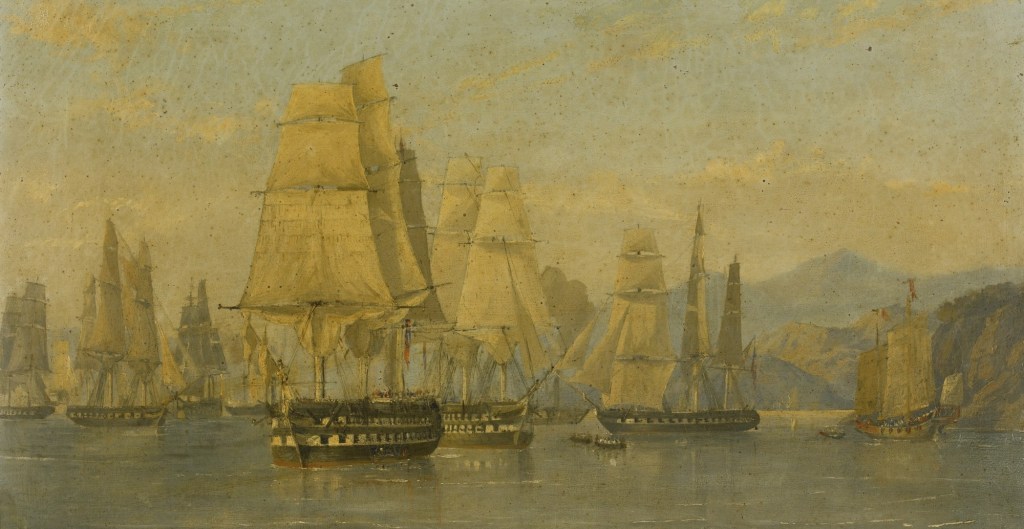
Her Majesty’s Navy
Wooden Ships, Steady Hands, and the Technology that Carries Them Forward
For more than three centuries, the Royal Navy has kept watch over Britain’s shores and the waters beyond them. Our charge today is a practical one: to keep the sea-lanes safe for the merchant ships on which the nation’s trade depends, to give aid to vessels in distress, and to chart unknown waters. Our officers have served in many seas and many years, and they are pleased to share what they have learned. Join them at the Athenæum Club, ask your questions, and hear the answers from those who have lived them. You may find that two officers remember the same voyage rather differently.
Our Officers
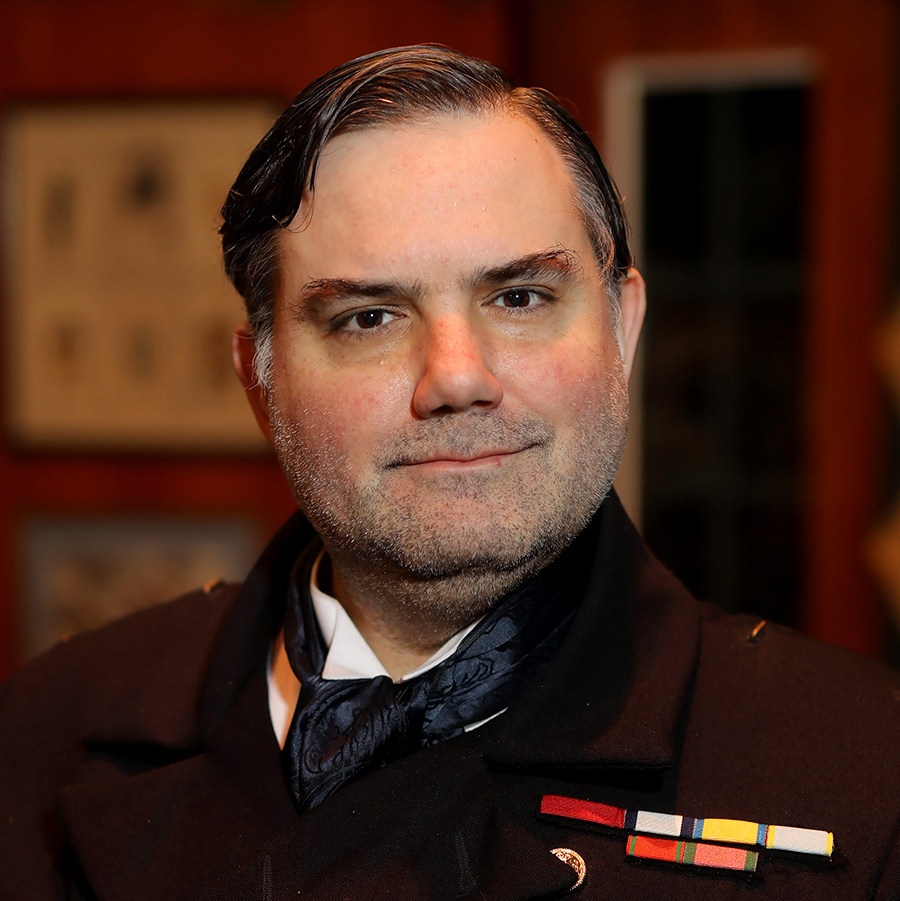
Vice Admiral Sir George Greville Wellesley.A flag officer of long service, Sir George has commanded at sea and ashore, and he stands now in the midst of the Navy’s change from sail to steam. Ask him how a squadron is kept in good order, what a commander owes the men beneath him, and whether he trusts the new engines as he trusted the old canvas.
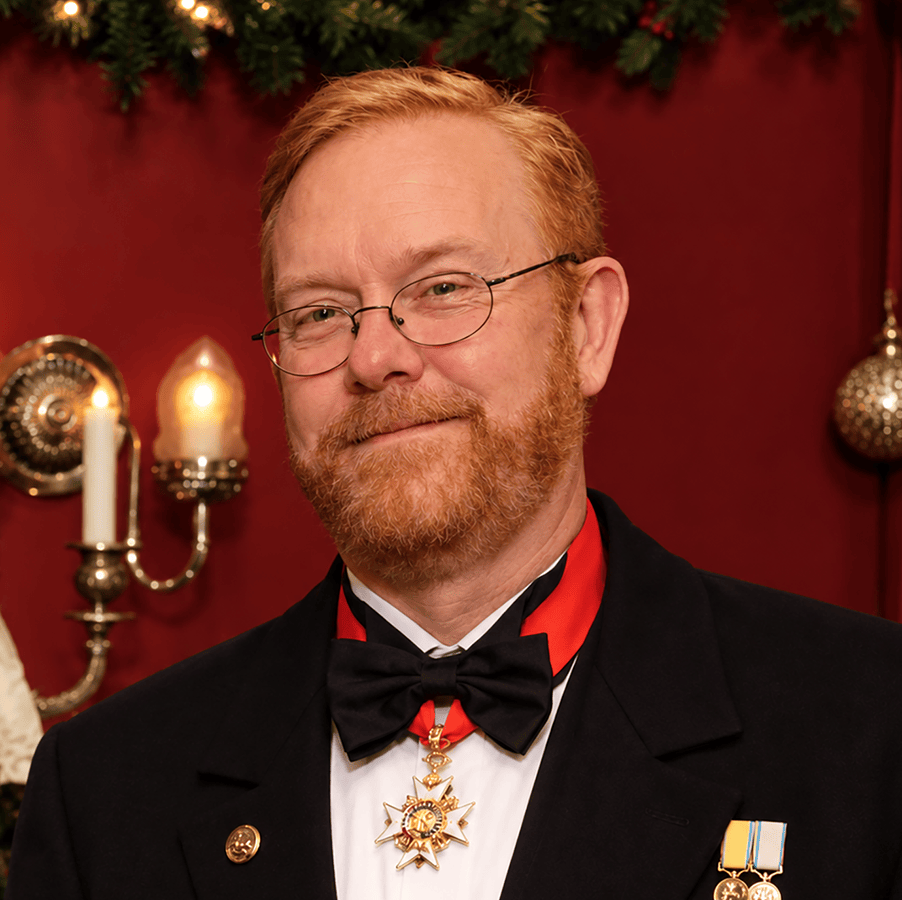
Dr. Sir Alexander Armstrong. Surgeon, naturalist, and recorder of voyages, Dr. Armstrong kept his journals through years in the northern ice. He can speak of the health of a ship’s company, the creatures of the far north, and the care of men far from home. Ask him if he would recommend Chloroform or Ether for patient sedation.
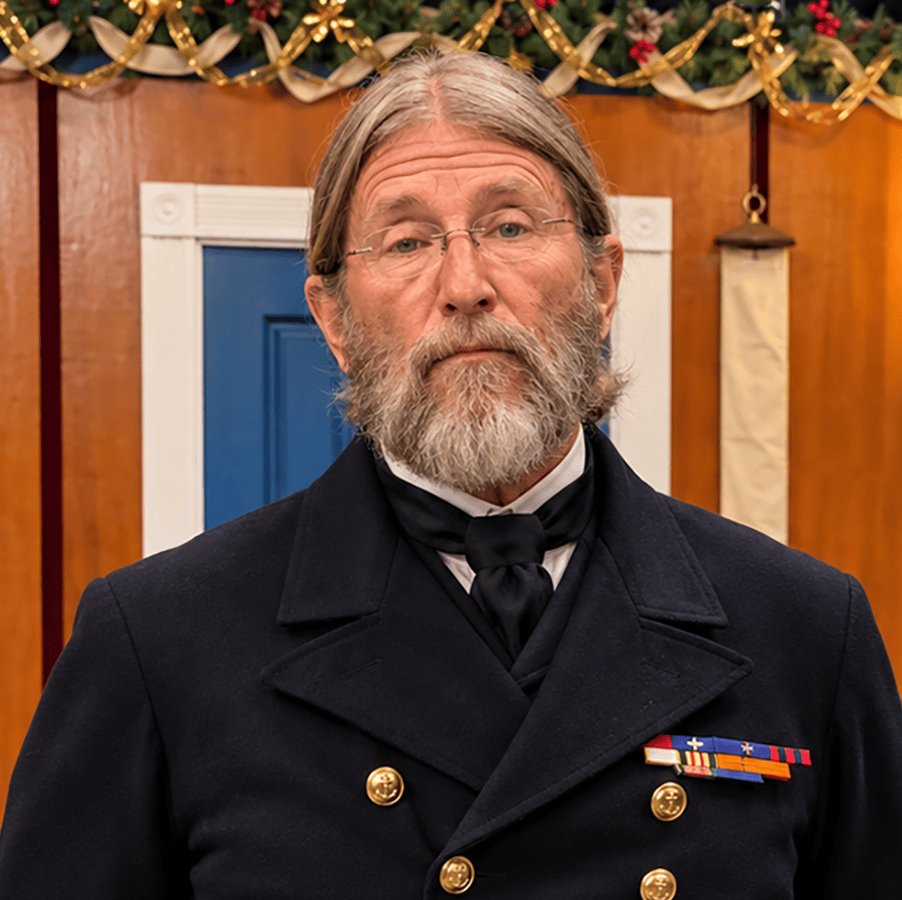
Captain Sir William Nathan Wrighte Hewett. Captain Hewett has spent a career in command afloat, in all weathers and many climates. He will tell you what makes a ship’s company pull together, and what a captain must weigh before he gives an order. Ask him how a gun crew is drilled to fire a broadside.
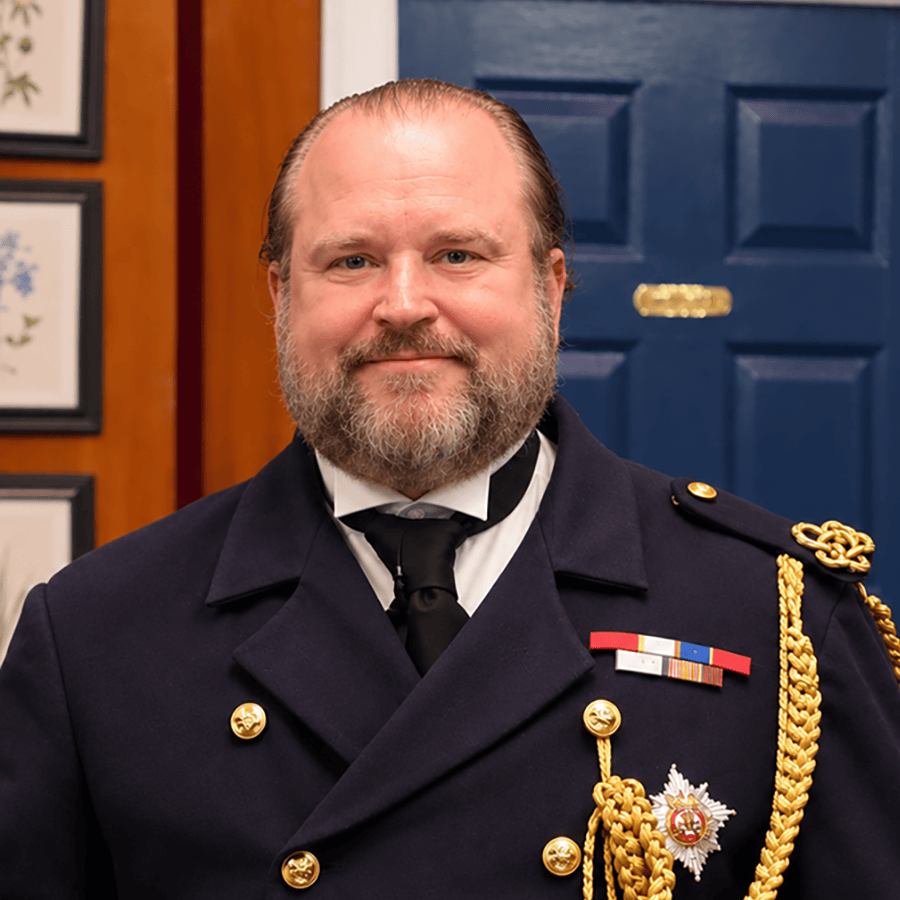
Captain Sir George Strong Nares. A seaman and surveyor who has served in the Arctic and in the deep ocean, Captain Nares has hauled a sledge and handled a ship in the pack. Ask him how a man steers by the stars when the ice gives no landmark. Ask, too, whether the new shell guns will ever replace the trusty smoothbore and rifled cannon.
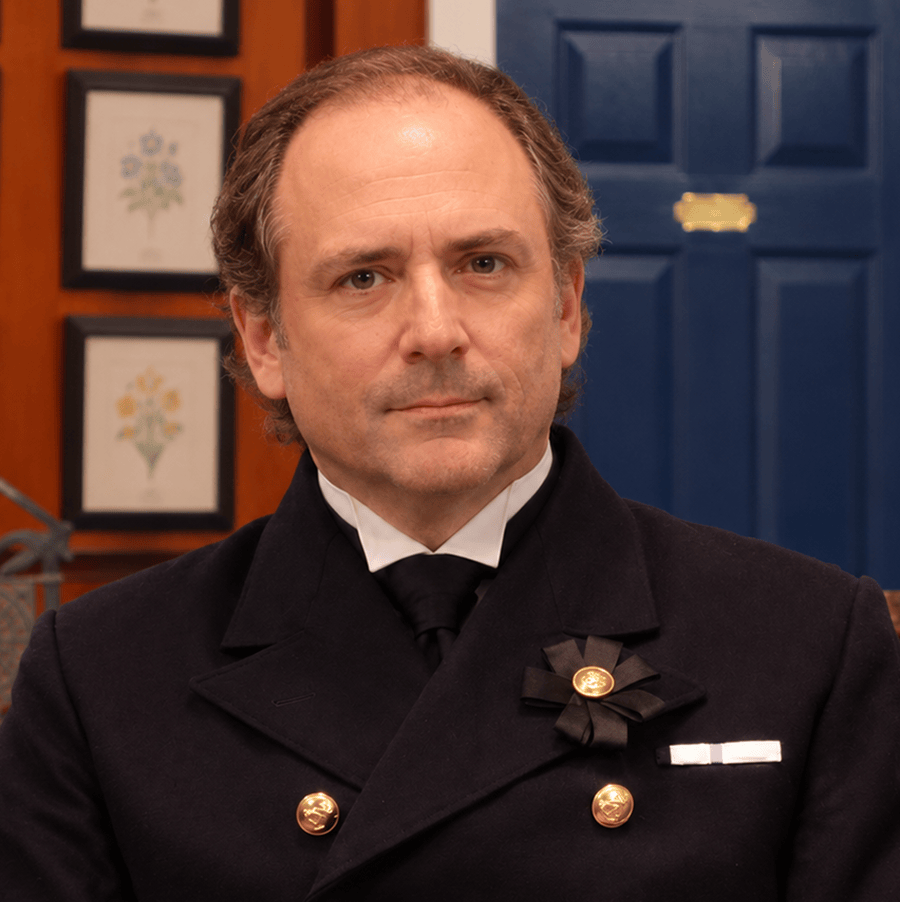
Captain Sir James Clark Ross. Captain Ross sailed in both the Arctic and the Antarctic, and has stood at the North Magnetic Pole. His southern voyage revealed a towering volcano, a great wall of ice, and the Southern Pole. Ask him about the compass, the ice barrier, and what it is to see a coast no man has seen before.
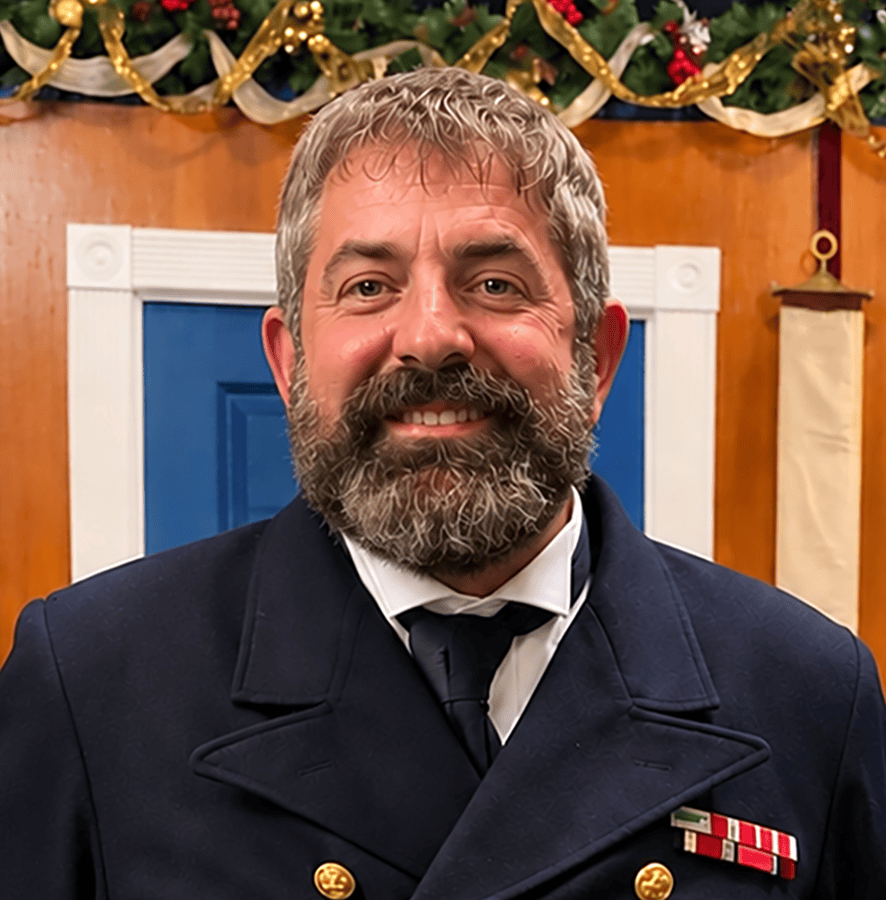
Captain Henry Frederick Stephenson. Captain Stephenson is making ready for his first voyage to the Arctic. The ships are being fitted out, the stores are coming aboard, and his officers and men are being chosen. He has not yet seen the ice, but he has read all he can of those who have, and he intends to be ready for it. He knows what the northern ice demands of a ship’s company: patience, order, and a crew who trust one another. Ask, too, how a young sailor learns his trade: the knots and splices every hand must know, the reckoning of a ship’s position by sun and star, and the long apprenticeship by which a landsman becomes a seaman. On a voyage like this one, every man’s skill may matter to all the rest.
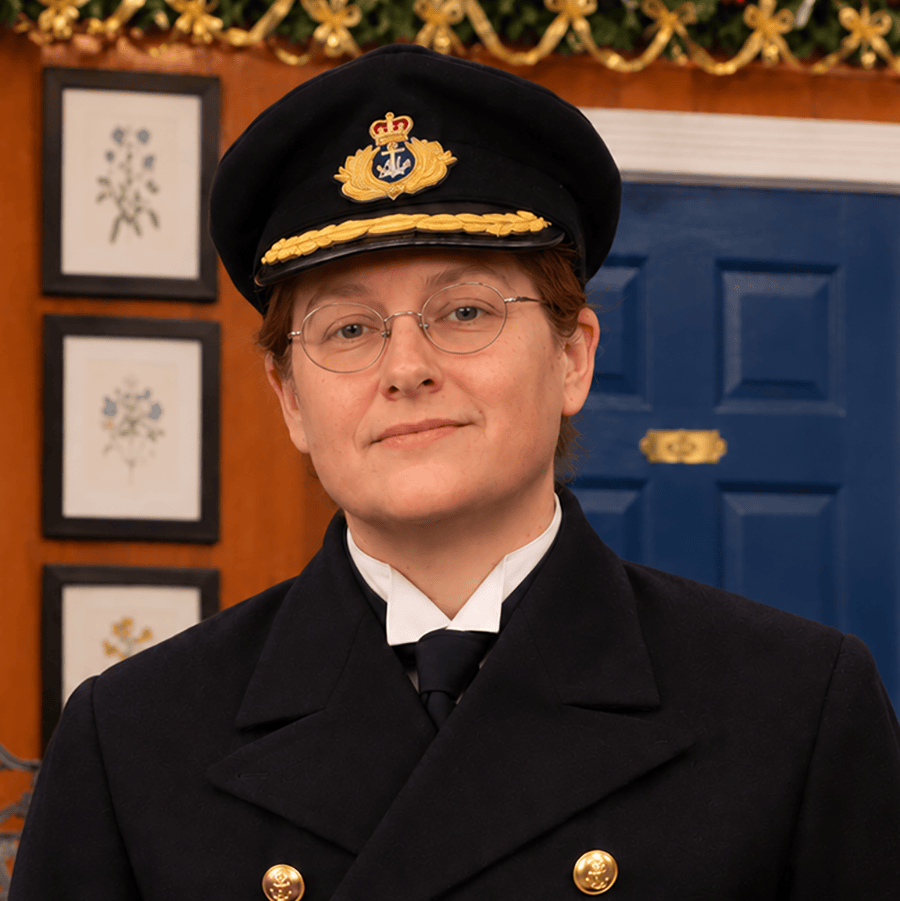
Commander John Fiot Lee Pearse Maclear. A surveyor to his fingertips, Commander Maclear has taken soundings in the deep ocean, surveyed, and charted distant coasts. He will gladly show you how a line is run out and what it tells us of the sea floor. Ask him, too, why a master will trust an Admiralty chart with his ship and every man aboard.
Learn more about what the Royal Navy does:
Exploration: Charting the Unknown
The Navy is a great school of discovery. Our officers and seamen have mapped coastlines, sounded ocean depths, and worked in some of the harshest waters on earth.
The Arctic. Since 1845, when Captain Sir John Franklin sailed north in HMS Erebus and Terror, expeditions have charted thousands of miles of unmapped coast, at great cost and with extraordinary endurance. Among those who answered the call was Captain George S. Nares. He and his shipmates travelled hundreds of miles by sledge in bitter cold, charting unmapped shores. Dr. Armstrong, surgeon of HMS Investigator, spent four years in the same ice, and his crew was reached at last by sledge parties, led by a young Lieutenant Nares at the time. Captain Stephenson, who later sailed north with Captain Nares, will tell you how a ship is made ready for an Arctic winter.
The Southern Ocean. Captain James Clark Ross’s voyage to the Antarctic revealed a towering volcano and a vast wall of ice and added a great deal to the study of magnetism and the sea. The Surveying Service. Every chart bearing the Admiralty’s mark is a promise: this water has been measured, and it is safe to sail. The Hydrographic Office publishes charts relied upon by sailors of every nation. Ships carry naturalists and surveyors to far waters, returning with specimens, soundings, and observations for the learned societies. Commander Maclear and Capt. Nares took the deep-sea soundings of HMS Challenger and later surveyed distant coasts in HMS Alert.
Life at Sea: Every watch, every hand, every voyage
A ship is a small town afloat: several hundred souls, each with a place and a duty.
Learning Seamanship. Boys enter young and learn their craft aloft and alongside. Midshipmen study navigation and seamanship under the master’s eye, while able seamen train in gunnery, sail drill, and now the management of steam. The Navy offers a young man a trade, a steady living, and a view of the wider world.
The Watch. The day is measured by the ship’s bell and divided into watches. A seaman learns to sleep when he can, in a hammock slung close among his messmates.
The Wardroom Mess. The officers dine together in the wardroom, each in his appointed place. Politics and ladies’ names are not discussed in the wardroom, and neither is religion unless the chaplain raises it. Talk of ships, seas, and strange ports is welcome, and the table is a good place to hear a story. Captain Stephenson and Captain Nares will tell of the Arctic, Captain Ross will talk of the compass and the southern ice, Commander Maclear will talk of the soundings, and Dr. Armstrong will keep the table honest on matters of health. Visitors who join the wardroom for an evening are welcome to take part and may be invited to propose a toast. The Loyal Toast. Admiral Wellesley proposes “The Queen”, and the company replies, “The Queen, God bless her.” Naval officers drink this toast seated, a privilege said to date from a king who struck his head on the deck beams of a low-ceilinged ship. Admiral Wellesley and Captain Hewett will each tell you which king they believe it was, and they may not agree.
Navigation. Out of sight of land, a ship is a single point on an empty page, and the navigator’s task is to say where it lies. At noon the master takes the sun with his sextant, and between sights the position is kept by dead reckoning: speed from the log line, heading from the compass, and hours from the glass. The chronometer, wound at the same hour each day and kept below in its brass-lined box, carries the time of home. Our officers will tell you what the lead line reveals in the deep, why a compass cannot be trusted near the Pole, and how patience served better than haste in threading the Arctic pack. Ask any two of them for the finest piece of navigation they ever witnessed. The surgeon will add that a navigator who has not slept, eaten, or shielded his eyes from the snow glare is not to be trusted with the reckoning.
Medicine at Sea: The surgeon’s chest, the steady hand
A ship’s company is far from any doctor’s door, so the surgeon goes with them. Every ship carries a surgeon and his assistants, a sick berth below decks, and a chest of medicines and instruments, and they meet whatever the voyage brings. A good surgeon is the first friend a ship’s company makes, and the last one they forget.
Scurvy and the Lime. Long voyages and salt rations breed scurvy, and the daily issue of lime juice is the defence against it. Dr. Armstrong has seen what happens when the fresh provisions run short in the Arctic, and Sir James Clark Ross will tell you how a ship can sail to the far south and return with her people in good health. Ask them whether they agree on the cause.
The Sick Berth and the Operating Table. A seaman hurt in a fall from aloft, a gun accident, or a storm is carried to the sick berth. The use of ether and chloroform, now coming into practice, has made the surgeon’s work less terrible for the patient than it was a generation ago. Dr. Armstrong can describe what an operation was before and what it is now.

